
In the ever-changing world of online crash gaming, where split-seconds and clarity can determine the entire user experience, we are seeing a significant evolution with the Lucky Jet game. The newest interface redesign, now completely on offer to players in the UK, marks a pivotal shift towards intuitive, efficient, and extremely accessible gameplay. This revamp is not merely a surface-level refresh; it is a core rethinking of how players work with the game’s functions, from the initial bet placement to the thrilling moment of a cash-out. Our analysis indicates that the redesign straightforwardly addresses common points of friction, swapping them with a seamless, visually coherent space that empowers both beginners and experienced players. The focus is firmly on reducing cognitive load, guaranteeing that the thrill of the game comes from the calculated decisions, not from finding your way around a messy layout. This promise to user-centric design creates a new benchmark for the type within the UK market.
The Thinking Behind the Lucky Jet Redesign
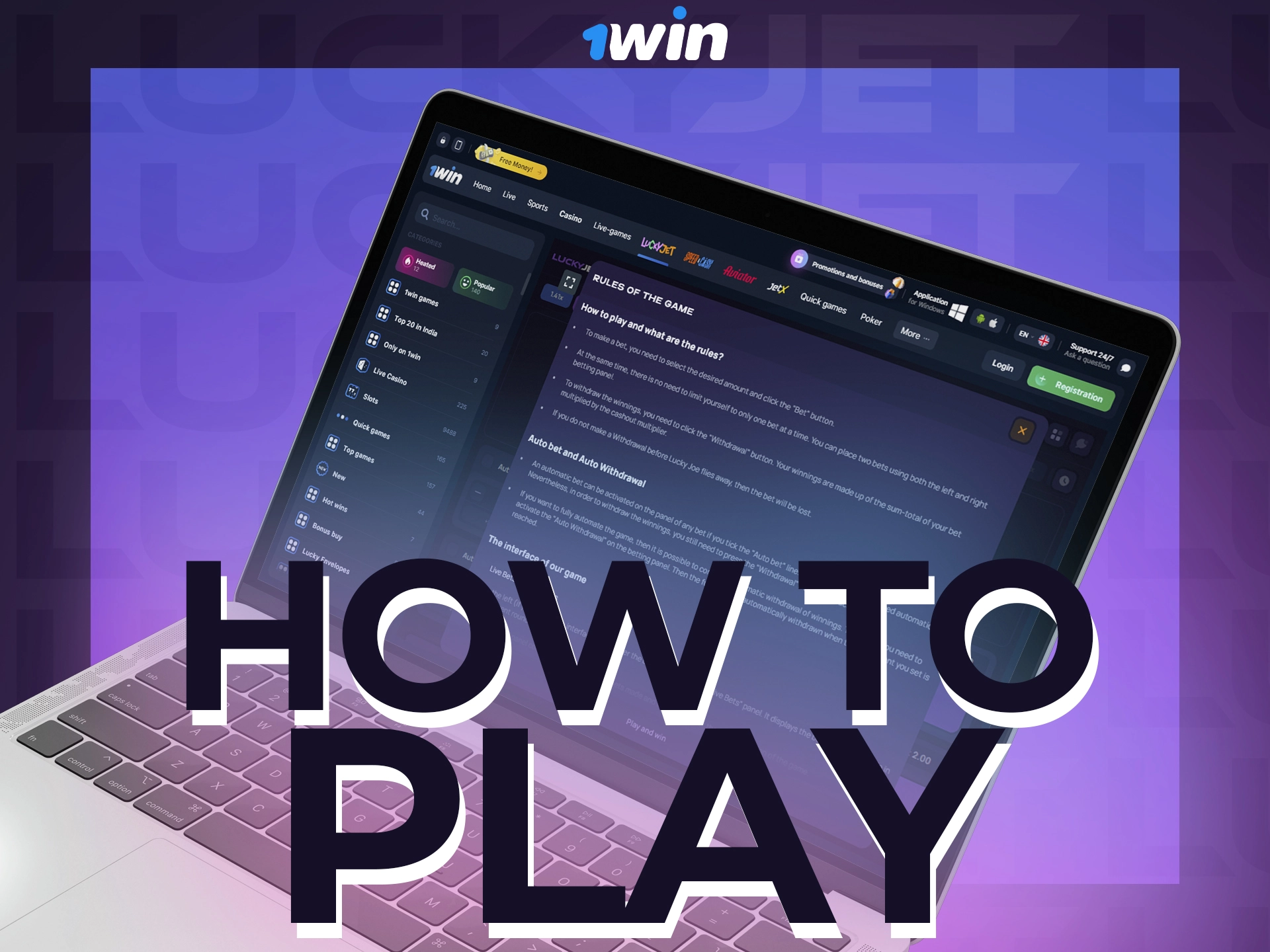
When approaching the design overhaul of the Lucky Jet game, the design team started with a core principle: clarity must precede complexity. In an arena often packed with flashing numbers and heavy data displays, the objective was to create a serene command centre from which players could perform their plans with confidence. We noticed that past editions, while functional, could sometimes confuse, particularly when several rounds and statistical data were in play. The new design uses a uncluttered, almost simple look, using colour and typography not for adornment but for clear communication. Bold-contrast components direct the eye instinctively to the most key actions—wagering, watching the Lucky Jet’s ascent, and withdrawing. This principle extends to every detail, making sure that the layout seems like a logical continuation of the player’s purpose, removing barriers and promoting a more engaging and controlled gaming session for the UK audience.
Key Visual and UX Enhancements
The tangible improvements in the Lucky Jet layout are instantly apparent upon loading the game. A more generous use of space and a polished colour palette cut down visual noise, permitting the central gameplay element—the jet’s flight path—to take clear precedence. Key informational widgets, such as the current multiplier, bet amount, and potential win, are now shown in bigger, bolder fonts against subdued backgrounds, making them legible at a glance. We have also seen a significant upgrade in the responsiveness and tactile feedback of interactive elements. Buttons offer clear visual confirmation when clicked, and the overall flow from screen to screen is seamless. Perhaps most importantly, the game’s state is always obvious; whether you are in a betting phase, mid-round, or reviewing history, the design communicates your position within the game loop effortlessly. These are not minor tweaks but dedicated efforts to elevate usability to a professional standard.
Streamlined Betting and Payout Process
At the core of the Lucky Jet experience lies the essential sequence of making a bet and determining when to collect. The revamped interface has carefully refined this primary workflow. The betting panel is now integrated into a unified, extremely intuitive module. Players can adjust their stake with more fluid incremental controls or enter a direct value with simplicity, and the potential win updates in real-time with prominent display. The cash-out button, arguably the most important control, has been granted a position of utmost priority and a unique, engaging visual design that makes it impossible to miss. We value the inclusion of one-touch bet options and quick-repeat options, which significantly speed up the process between rounds. This streamlining means players can focus more on studying the jet’s flight patterns and developing their exit strategy, rather than dealing with the details of placing a wager. The entire process feels swift, protected, and satisfyingly direct.
Enhanced Game Statistics and History Panel
Strategic decision-making is a pillar of strategic play, and the redesigned Lucky Jet game offers superior tools for analysis through its improved statistics and history panel. Previously, historical data could appear like a raw data dump. Now, it is shown as a clear, digestible visual narrative. The round history is not just a list of numbers but a graphical chart that can help spot trends at a glance. We consider the following key improvements especially impactful for UK players seeking to refine their approach:
- A real-time graph illustrating the multipliers of recent rounds, enabling for quick pattern recognition.
- Customizable and sortable history, allowing players to review specific segments of their gameplay.
- Personal statistics dashboard displaying key metrics like average cash-out multiplier and total rounds played.
- Better colour-coding in the history log to distinguish between rounds that ended early versus those that reached high multipliers.
This upgraded panel turns retrospective data into a proactive strategic asset, equipping players with insights that were previously cumbersome to extract.
Inclusive Design and Mobile Optimization for British Players
A modern online game needs to perform seamlessly across any device, and the Lucky Jet redesign lays a significant focus on universal accessibility and exceptional mobile optimisation. Acknowledging that a substantial segment of the UK player base engages via smartphones and tablets, the interface now boasts a completely adaptive layout that conforms smoothly to any screen size. Touch targets are properly scaled and spaced to prevent mis-taps, a typical issue in earlier mobile builds. Additionally, we have noted deliberate efforts to enhance accessibility: colour choices account for contrast ratios for users with visual impairments, and the coherent arrangement of information supports screen reader technology. The game loads faster and performs better on a broader spectrum of hardware, guaranteeing that the experience is uniform and high-quality whether played on a desktop in London or a mobile device on the go. This commitment to inclusive design broadens the game’s attraction and user-friendliness.
Evaluating the Original and Modern Lucky Jet Interface
To truly appreciate the magnitude of transformation, a direct contrast between the old and new Lucky Jet layouts is revealing. The legacy edition, while functional, worked with a more fragmented layout. Essential controls were often divided, and the graphic priority was insufficiently clear, which would result to instances of hesitation. Data was shown but rarely displayed in the optimal actionable way. The updated version, in comparison, feels integrated and immediate. The transition from beginner to skilled gamer is quicker because the game’s guidelines and tools are far transparent. We have compiled a short summary of the extremely significant improvements noted by the UK gaming scene:
- Visual Definition: From a crowded interface to a streamlined, clean environment where the gaming experience is the clear highlight.
- Button Layout: From dispersed buttons to a consolidated, ergonomic operation panel that matches the intuitive pattern of play.
- Information Design: From basic number data to graphical data that effectively assist in strategy creation.
- Speed: From acceptable wait periods to lightning-fast response, crucial for a quick multiplier game.
This evolution marks a growth of the game, bringing it with the expectations of a demanding UK scene accustomed to top-tier digital products.
FAQ
What are exactly the key benefits of the revamped Lucky Jet interface?
The redesigned interface offers markedly better navigation, faster bet placement, and a tidier visual layout. Key information like the multiplier and balance is more prominent, cutting down on distraction. The overall user experience becomes smoother and more intuitive, allowing players to focus fully on their gaming strategy rather than on deciphering the controls.
Are the game mechanics or RNG influenced by the redesign?
Absolutely not. The redesign constitutes purely a front-end, user interface (UI) and user experience (UX) upgrade. The core game mechanics, random number generation (RNG), and underlying fairness algorithms are kept completely unchanged. The redesign simply makes interacting with the proven, certified game system a lot easier and more enjoyable.
Is it necessary to download a new app or update software?
If you participate via a web browser on desktop or mobile, the update occurs seamlessly—just visit the website to access the new interface. For dedicated app users, you might need to update your application through the official app store to get the latest version including the full redesign and all performance improvements.
Do the new statistics tools available on mobile?
Certainly, the enhanced statistics and history panel is completely incorporated and optimised for mobile devices flytakeair.com. The data is displayed in a adaptive, legible format designed for smaller screens, with mobile-friendly controls for sorting and arranging your game history. All strategic insights are available on the go.
Has the betting process actually become faster?
Certainly, the process is markedly quicker. Unified controls, single-tap bet options, and a more responsive interface significantly cut the time between rounds. The efficient workflow decreases clicks and screen focus shifts, allowing rapid bet placement and adjustment, which is crucial for a fast-paced game like Lucky Jet.
Will my funds and wagering records remain intact after the update?
No. The update only impacts the visual presentation layer. All account data, covering your balance, transaction history, and bet records, is stored safely on the server-side and remains completely intact. You will log in to find everything precisely as you left it, but within the new, improved interface.
Where can I provide feedback on the new Lucky Jet design?
Player feedback is greatly valued. You can usually submit your thoughts right through a „Feedback” or „Support” section within the game’s interface or on the official website. Many operators also accept input via their customer service channels. Your comments help shape future refinements and updates.